The Atlassian Community Forums are currently in read-only mode. We will be relaunching on a new platform on September 22 (read more here). We apologize for the extended downtime. For concerns or questions, please email communitymanagers@atlassian.com. See you on the other side, on the new Atlassian Community Forums! :)
×Community resources
Community resources
Community resources
- Community
- Q&A
- Confluence
- Articles
- Using Code Snippets in Confluence
Using Code Snippets in Confluence
As someone who frequently documents Python and Bash scripts in Confluence, I've come to really appreciate the Code Snippet element in the new editor.
It makes technical documentation so much cleaner and more readable.
After using it extensively for my own runbooks and automation scripts, I thought I'd share some practical tips and best practices that might help others get the most out of this feature.
What is the Code Snippet Element?
The Code Snippet is a Basic Element in the new Confluence editor that displays code with syntax highlighting.
Perfect for:
- 📚 Technical documentation
- 🔧 API guides
- 📝 Runbooks & troubleshooting guides
- 💡 How-to articles for developers
4 Ways to Insert
1. Via Slash Menu (Fastest Method)
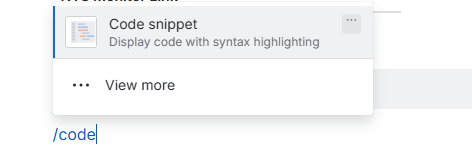
- Type
/codeon a new line - Select "Code snippet" from the list
- Paste your code
2. Via Toolbar
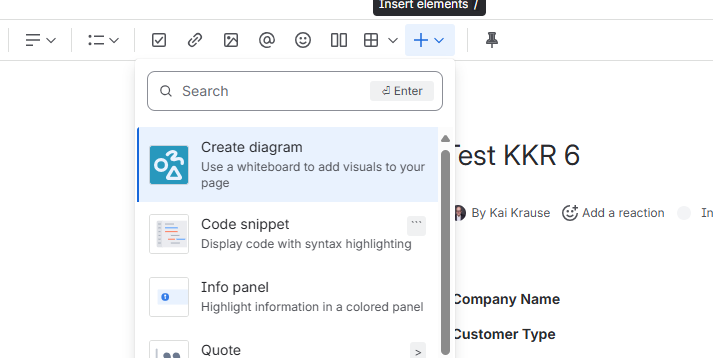
- Click the
+symbol in the toolbar - Select "Code snippet" under "Basic elements"
3. Via Drag & Drop

- Open the element panel (left side)
- Drag "Code snippet" onto the page
4. Keyboard Shortcut ⌨️

- Select text →
Ctrl/Cmd + Shift + M - Converts text directly into a Code Snippet
Supported Programming Languages
The Code Snippet element supports syntax highlighting for many languages:
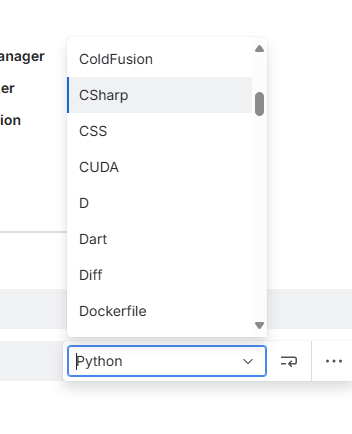
Backend:
- Python, Java, C#, C++, Go, Ruby, PHP, Rust
Frontend:
- JavaScript, TypeScript, HTML, CSS, React (JSX)
DevOps & Scripting:
- Shell, PowerShell, YAML, JSON, XML, SQL
Others:
- Markdown, Dockerfile, Terraform, GraphQL
💡 Tip: The language is often detected automatically. However, you can also set it manually via the dropdown menu in the code block.
Best Practices for Technical Documentation
✅ DO's
1. Set Language Explicitly

2. Short, Focused Snippets
- Max. 20-30 lines per snippet
- Split longer code into multiple blocks
- Add a heading to each block
3. Add Context

Always add a brief explanation BEFORE the code.
4. Use Line Numbers
- Enable line numbers for longer snippets
- Makes referencing easier in reviews
❌ DON'Ts
- ❌ No sensitive data (API keys, passwords)
- ❌ No huge code dumps (> 50 lines)
- ❌ No outdated code examples without version number
Practical Use Cases
1. API Documentation
Example: REST API Endpoint

Response

2. Runbooks & Troubleshooting
Problem: Service won't start
Solution:

3. Configuration Examples
Docker Compose Setup:

Tips for Developer Teams
📌 Mention Versioning
Always specify which version the code is for:
ℹ️ Note: This code works with Python 3.9+
🔗 Link to Sources
Link to official documentation:
🎯 Inline Comments
Use comments for explanations:

Avoiding Common Mistakes
Problem 1: Code isn't formatted
Solution: Make sure you're using the Code Snippet element, not normal text with monospace font.
Problem 2: Syntax highlighting missing
Solution: Select the language manually from the dropdown menu.
Problem 3: Code is too wide
Solution:
- Use shorter variable names
- Break long lines
- Enable horizontal scrolling
Keyboard Shortcuts for Power Users
| Action | Shortcut |
|---|---|
| Insert Code Snippet | /code |
| Convert text to code | Ctrl/Cmd + Shift + M |
| Change language | Click dropdown in block |
| Copy code | Hover → Copy button |
Integration in Workflows
Document Code Reviews
- Code Snippet with review comments
- Add status label (✅ Approved, ⚠️ Needs Changes)
- @mention the developer
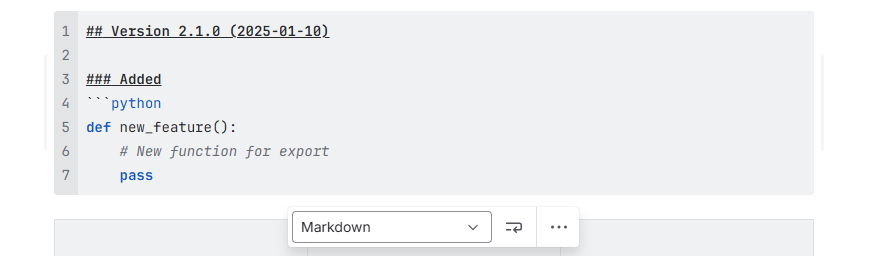
Maintain Changelog
Summary
✅ Code Snippet Element = Professional code presentation
✅ Syntax highlighting for 20+ languages
✅ Perfect for API docs, runbooks, how-tos
✅ Keyboard shortcuts save time
Are you already using Code Snippets? Share your tips in the comments!
Sources
Was this helpful?
Thanks!

Kai Krause

1 comment