Community resources
Community resources
Community resources
Jira Sprint Velocity: Why the Number Alone Isn’t Enough (and How AI Helps)
Sprint velocity is one of the most common Scrum metrics in Jira.
But the problem is: most teams stop at the number.
You finish a sprint, see velocity dropped, and the discussion starts:
-
did the team slow down?
-
was planning off?
-
did we have blockers?
-
was scope different?
That’s the real issue with velocity in Jira.
Getting the number is easy. Understanding why it changed is the hard part.
What velocity actually is (quickly)
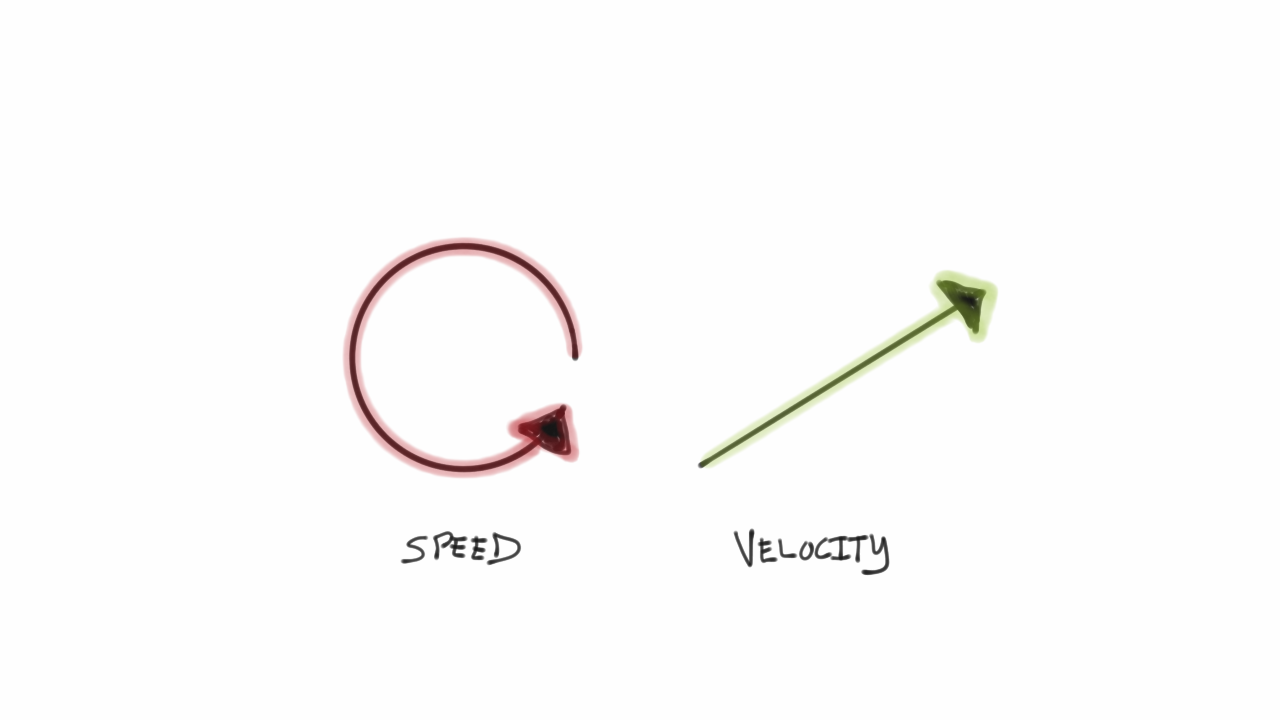
Velocity = how much work the team completed in a sprint (usually in story points).
It’s useful for planning and forecasting.
It’s not a performance score.
A drop in velocity doesn’t automatically mean the team performed worse.
Sometimes it just means:
-
fewer people were active
-
less work was committed
-
stories were larger
-
or the sprint had more interruptions
Where Jira helps - and where teams still do manual work
Jira gives you sprint data and velocity views. That part is fine.
But in real life, teams still spend time manually figuring out:
-
what changed from the previous sprint,
-
what exactly was counted,
-
and what likely caused the drop or increase.
This is especially true when:
-
scope changed mid-sprint,
-
“Done” statuses are not super clear,
-
issues were reopened,
-
story points are missing,
-
or time tracking is inconsistent.
So even with Jira, velocity often turns into a mini investigation.
This is where Teamline AI Agent is actually useful
The value is not “AI can calculate velocity.”
The value is: AI can help explain velocity.
For example, if velocity dropped, Teamline AI Agent can help quickly break it down:
-
issues done dropped
-
committed scope dropped
-
fewer assignees worked in the sprint
And then add context:
-
what the data suggests (capacity / throughput / scope)
-
what data is missing (no story points, no tracked time)
-
what to check next (capacity, blockers, story sizing, planning accuracy)
That’s much more useful than just a chart.

Why this matters
Velocity is only valuable when it helps the team make better decisions:
-
plan the next sprint better
-
spot process issues earlier
-
have a more useful retro discussion
-
explain changes to stakeholders without guessing
AI won’t replace team judgment.
But it can remove a lot of the manual reporting and “why did this happen?” digging.
Final point
Jira gives the data.
Teamline AI Agent helps turn that data into something actionable.
So instead of just asking:
“What’s our velocity?”
you can ask the better question:
“What changed, and what should we do about it?”
Was this helpful?
Thanks!

Vlad from Teamline
0 comments