Most of us prefer staying under the radar at work—keeping things low-key and avoiding the spotlight. After all, if you don’t stand out, you won’t face the judgment or criticism, right?
Then, the annual performance review arrives... and it’s hard to avoid. Can we skip it? It would definitely make things less stressful, especially around the holidays! 🎄
But here’s the thing: performance reviews are actually important. And with the right approach, they can be a lot less daunting. Let’s dive into how you can make them more effective and meaningful with these best practices.
🧐 What is a Performance Review?
A performance review is that annual sit-down where employees and managers discuss how things are going at work. It’s meant to be a constructive conversation, where both sides reflect on achievements, identify areas for improvement, and set goals for the future.
However, let’s face it: performance reviews don’t always have the best reputation. According to research from Impraise, a surprising 22% of employees have called in sick to avoid their review, 35% have vented to colleagues about it, and 15% have even cried during or after the meeting.
But performance reviews don’t have to be scary. With the right mindset and tools, they can be a fantastic opportunity for growth and development.

✅ Why Are Performance Reviews Important?
Performance reviews aren’t just a formality. They’re a crucial part of creating a feedback-driven culture that supports both personal and professional growth. Here’s why they matter:
- For employers: It’s your chance to assess if your team’s performance aligns with company goals, celebrate successes, and offer the support your employees need to thrive.
- For employees: It provides clarity on how well you're doing, what goals to focus on, and how you can grow professionally.
Key Benefits of Performance Reviews:
- Improved Employee Engagement 🤝
- Clearer Career Development 📈
- Better Alignment with Company Goals 🎯
- Increased Accountability 🛠️
- Improved Communication 📢
- Better Trust and Openness 👐
- Identification of Training Opportunities 🎓
- Recognition of Achievements 🏆
📝 Steps in the Performance Review Process
Now that we know why performance reviews are so important, let’s break down the process. It may seem intimidating at first, but following a structured approach can make it much easier and more effective. Here’s a step-by-step guide to help you through the process:
1️⃣ Review Job Descriptions and Expectations
Manager: Start by revisiting the employee's job description. Ensure that expectations are clear and up-to-date. If there have been any changes in their role or responsibilities, make sure those are reflected.
Employee: Take a moment to reflect on your own role. Make sure your understanding of expectations aligns with what your manager sees as important.
2️⃣ Set Clear Performance Goals for the Year
Before the review, think about the goals you want to set for the employee. Use the SMART framework (Specific, Measurable, Achievable, Relevant, Time-bound) to ensure these goals are clear and actionable.
3️⃣ Schedule the Performance Review Meeting
It’s always good to plan ahead! Set a time that works for both you and the employee so there’s no rush or stress during the conversation.
4️⃣ Self-Assessment
Employee: Prepare a self-assessment of your performance. Reflect on your achievements, challenges, and areas you feel need improvement.
Manager: Review the self-assessment from the employee and compare it with your observations, feedback from others, and the data you’ve gathered.
5️⃣ Collect 360-Degree Feedback
Manager: Gather feedback from various sources—colleagues, direct reports, or customers. This gives you a well-rounded view of the employee’s performance.
Employee: If possible, ask for feedback from your peers. This can help highlight areas where you might not have noticed issues or strengths.
6️⃣ Review Past Performance and Achievements
Manager: Take a look at the employee’s past performance, track their progress on previous goals, and note any significant accomplishments.
Employee: Reflect on your own achievements, any challenges you’ve overcome, and how you’ve progressed in the areas you previously set goals for.
7️⃣ Prepare Review Materials and Documentation
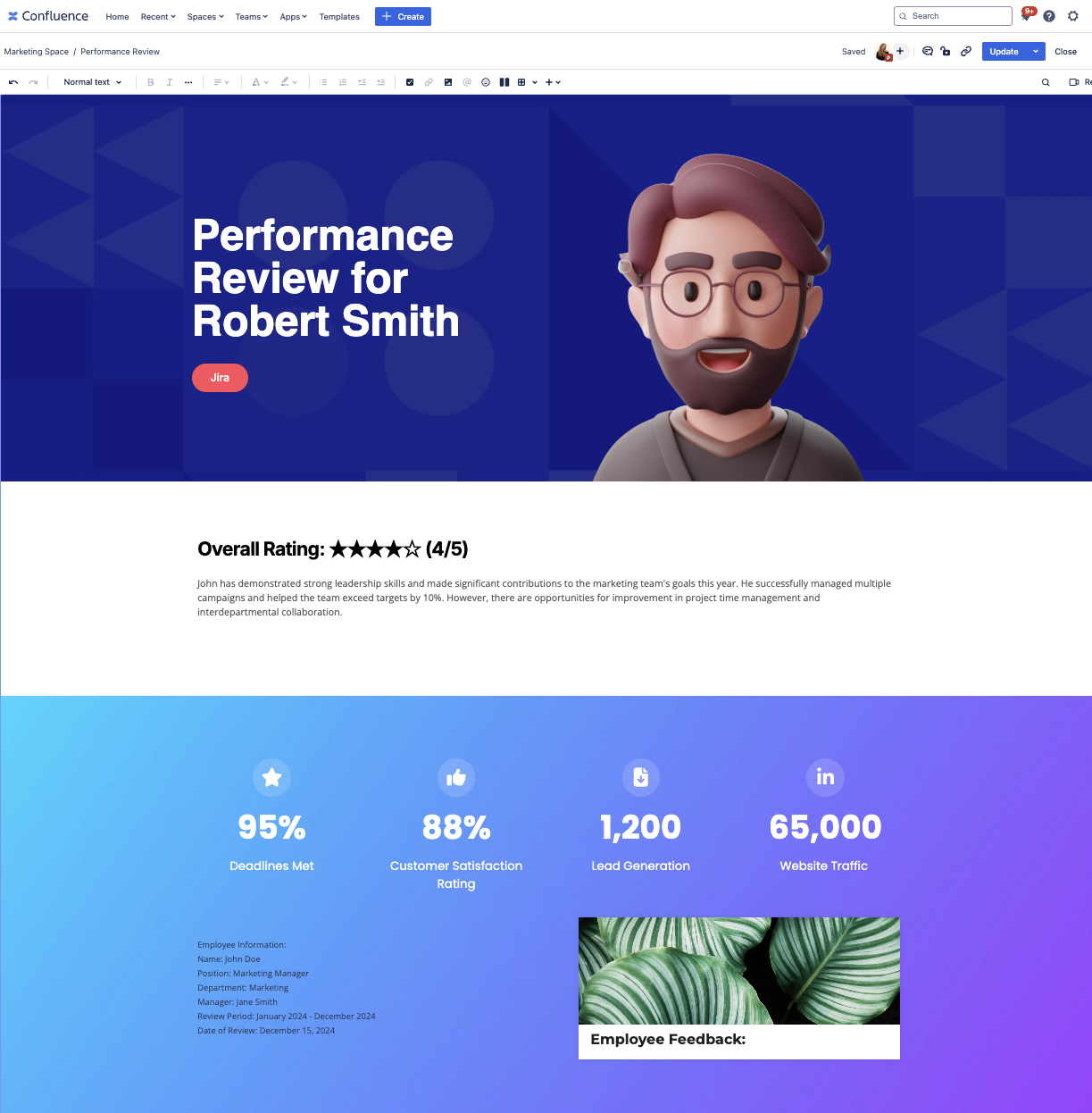
Manager: Organize all feedback, documents, and performance data into a structured format. Use tools like Confluence for documentation—add-ons like Aura Contet Formatting Macros can make your review look polished and professional! 🌟
👨🏫 Best Practices for Managers Conducting Performance Reviews
As a manager, your role is to create a constructive and motivating environment. Here’s how to conduct performance reviews in the best way possible:
1. Make Feedback a Two-Way Conversation 🗣️
Performance reviews shouldn’t be one-sided. Encourage employees to share their thoughts and feedback. It helps build trust and makes the conversation feel more balanced.
2. Provide Materials in Advance 📄
Share the review document in advance so employees have time to process your feedback. This allows them to come to the conversation prepared with thoughts, questions, or clarifications.
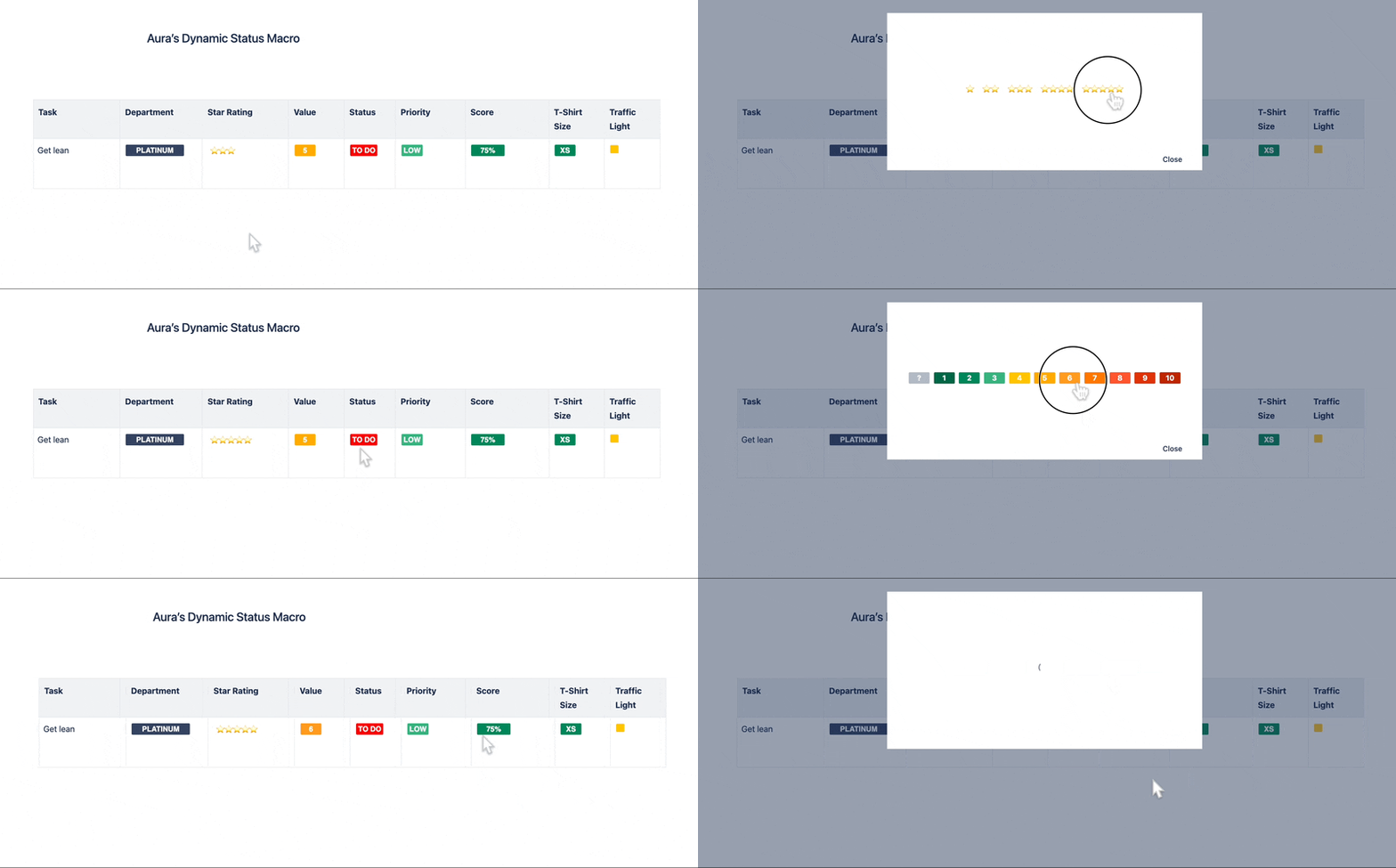
Tip: Use tools like Confluence to share documents and self-assessments ahead of time. You can also use Aura’s Interactive Status Macro to track goals and progress in real time.
3. Focus on Results, Not Just Hours Worked ⏱️
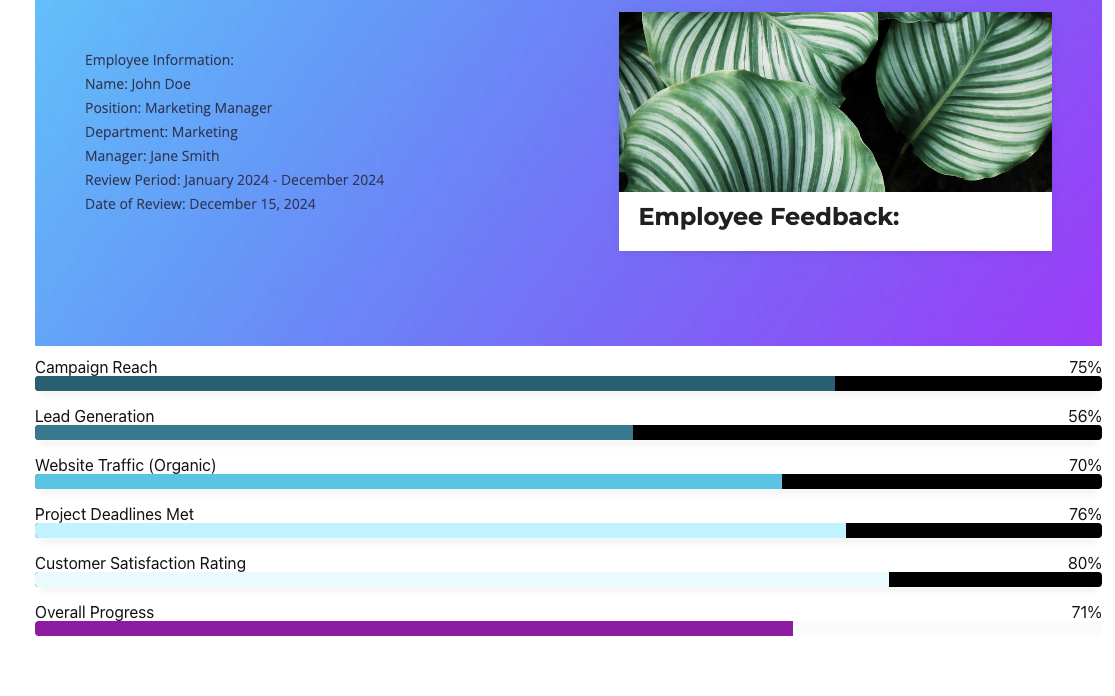
In today’s flexible work culture, productivity is more about results than hours worked. Focus on the outcomes employees achieve, not just the time they spend working.
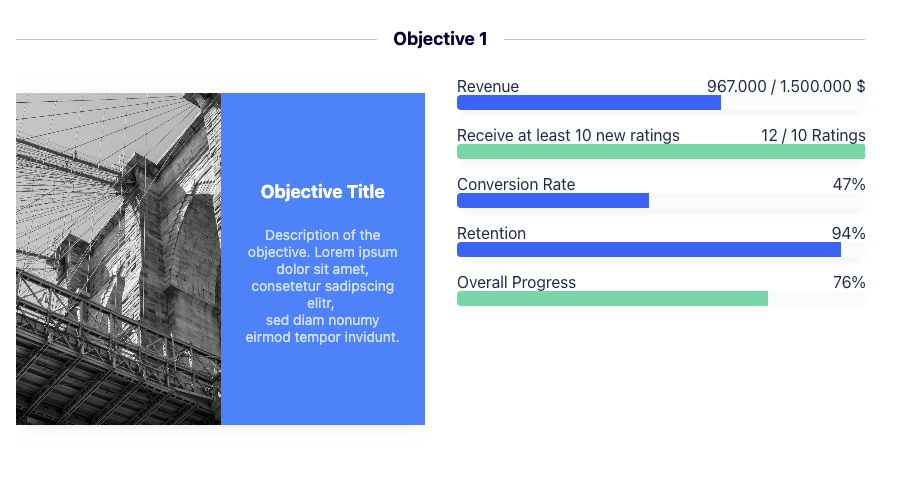
Tip: Use Aura’s Progress Macro to visually highlight employee results in Confluence.
4. Recognize Strengths and Areas for Growth 🌱
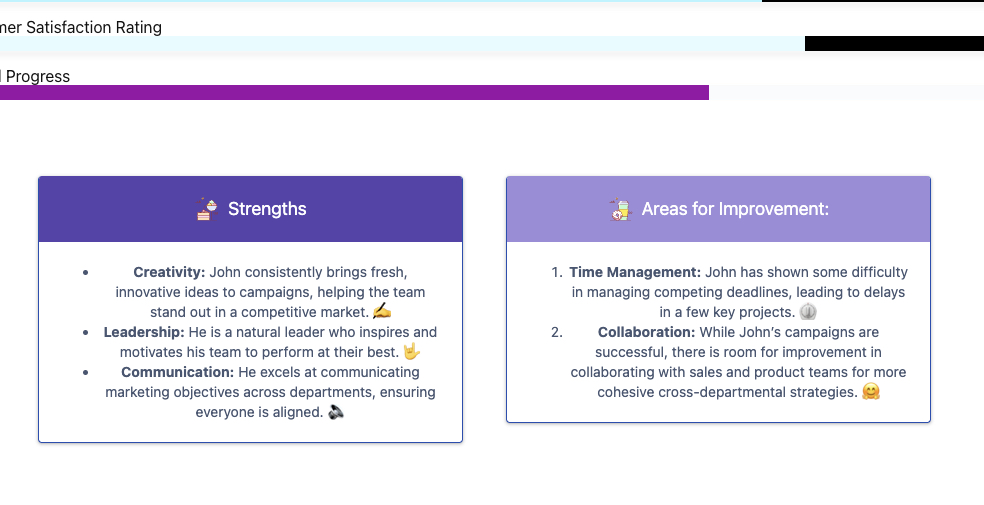
A good review balances positive feedback with areas for improvement. Use Aura’s Panel Macro to organize strengths and growth areas—making it easy to reference and discuss in a clear format.
5. Clarify Future Goals with the SMART Framework 🎯
End the review by setting clear, actionable goals. The SMART framework will help keep things specific, measurable, achievable, relevant, and time-bound.
Pro Tip: Document these goals in Confluence and track progress with Aura’s macros.
6. Follow Through on Action Items 🔄
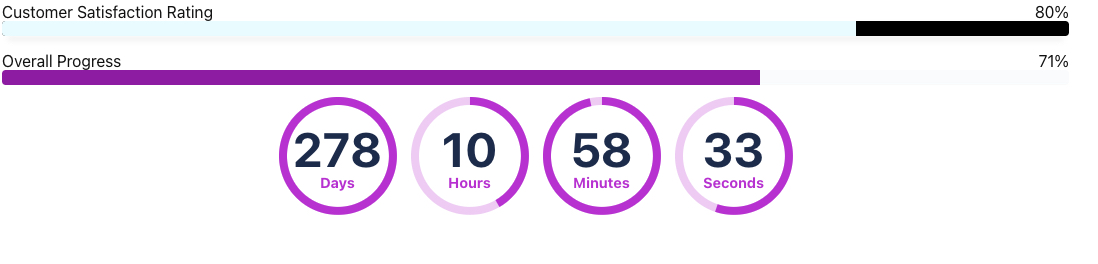
Don’t let the review be the end of the conversation. Set regular follow-ups and use Aura’s Countdown Macro to track progress on action items. Keep the momentum going!
💡 Best Practices for Employees in Performance Reviews
As an employee, your performance review is your opportunity for growth. Here’s how to make the most of it:
1. Prepare in Advance 📝
2. Be Open to Feedback 👂
3. Speak Up About Challenges 🤔
4. Ask for Clear, Actionable Feedback 🔍
5. Set Personal Development Goals 🎯
6. Highlight Your Achievements with Data 📊
7. Ask About Career Pathing 📈
8. Be Honest About Your Needs and Resources 📦
🚀 Making Performance Reviews a Tool for Growth
Performance reviews don’t have to be stressful! With these best practices, you can transform them into valuable opportunities for growth, clarity, and career development. Whether you’re a manager or an employee, the right approach can make reviews a powerful tool for success.
Using tools like Aura and Karma in Confluence will help streamline and enhance the process.


