Hey, Atlassian fam!
It's Hind from Jaanga, and I've got a question for you: Have you ever played the farming simulation, Stardew Valley, or perhaps some similar games? If so, you probably understand the importance of time management within these virtual realms.
In this first part of a series of articles, we’re about to explore this question, understanding how individuals navigate the complexities of time management, but outside the gaming sphere 😆
Let's examine the principles of time management in more detail:
Time as a concept:
Time is a unique and limited resource that controls our lives, so learning how to manage and use it strategically shouldn't come as a surprise. There's more to it than just the hours, minutes, and seconds passing on the clock. Think of it as In Stardew Valley, each day is a precious gift that you must manipulate to organize, prioritize, and carry out tasks effectively. Your productivity and general well-being will be impacted by the decisions you make about how to use and distribute the time you have.
Recognizing the challenges:
Just like dealing with crows munching on your crops, we all face unique challenges in managing our time. Recognizing these personal obstacles, or let’s call them frictions, is a crucial first step toward victory.
Procrastination, inadequate job prioritizing, unclear goals, and inadequate responsibility delegation are typical problems. But once these frictions are recognized, employees can confront them head-on. In the end, we can cultivate a more efficient and productive approach to our daily lives, allowing the whole team to maximize their strengths and minimize their weaknesses.
The consequences of ineffective time management
Picture this: the consequences go far beyond missing deadlines and incomplete assignments. It may eventually affect the caliber of work, causing stress and burnout. Project delays, decreased productivity, and a general sense of overwhelm. On a more intimate level, it could limit one's capacity to advance professionally and fulfill long-term objectives.
Understanding the negative effects of poor time management can be a strong incentive for individuals and businesses to make the investment necessary to create efficient time management plans. When they do, they can improve output, reduce stress, and open the door to long-term success.
Important guidelines for time management
You must become an expert in a few crucial time management concepts if you and your company are to maximize productivity and fulfill the demands of the modern workplace. Let me share with you some cheat codes to better manage your time and increase productivity.
Set SMART goals:
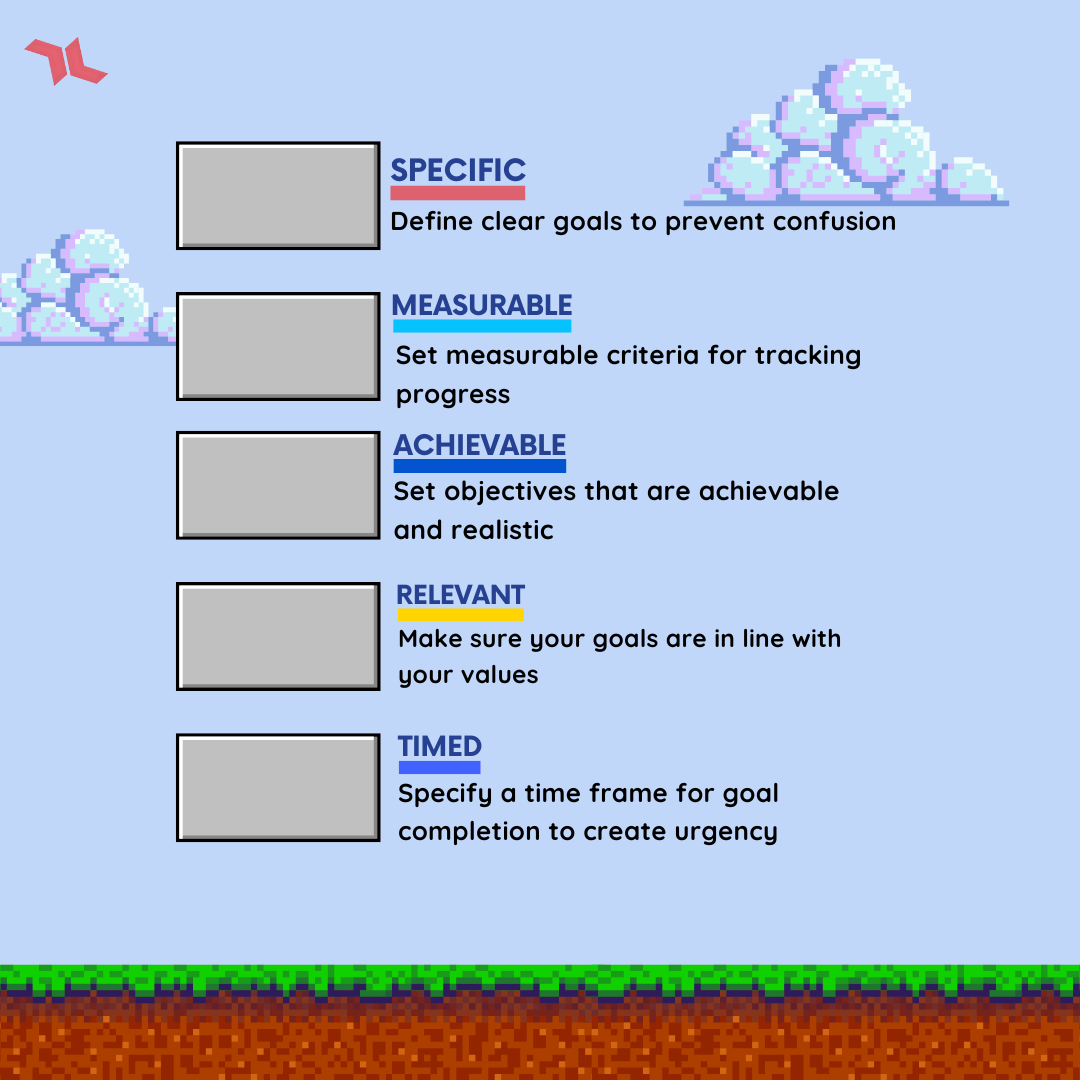
Specific: Define clear goals to prevent confusion
Measurable: Set measurable criteria for tracking progress
Achievable: Set objectives that are achievable and realistic
Relevant: Make sure your goals are in line with your values
Time-bound: Specify a time frame for goal completion to create urgency
Prioritization techniques:
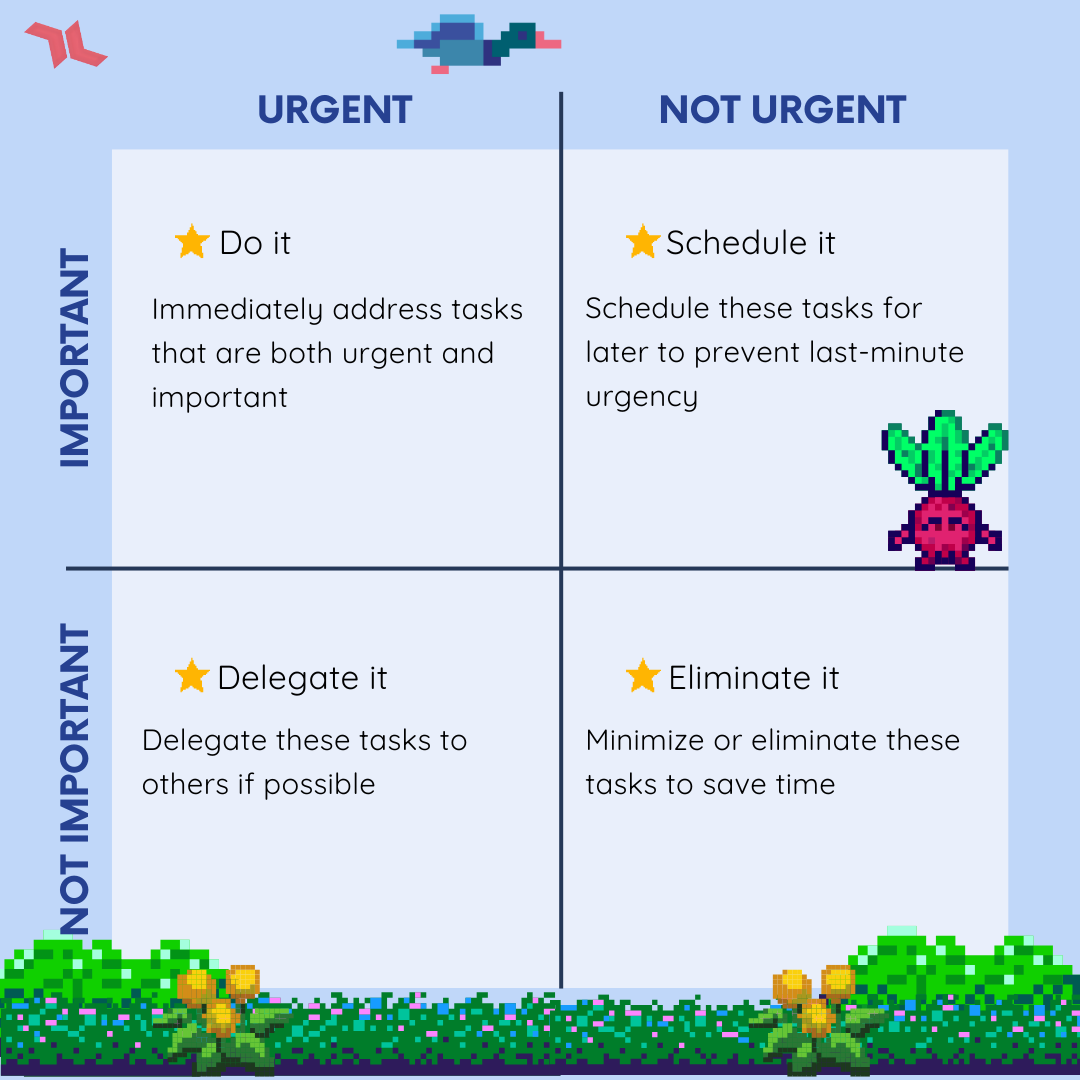
A tasks: These are high-priority tasks that are critical to long-term goals.
B tasks: Moderately important tasks that support larger objectives.
C tasks: Routine or less critical tasks that can be addressed last.
Time blocking and scheduling:
By allocating specific time slots to different activities and tasks, you can maintain focus on a particular task, reducing the likelihood of multitasking. It’s a proven strategy for enhancing overall efficiency by ensuring that each task receives the attention it deserves.
Using digital planners to schedule tasks and appointments is amust for effective time management. It’s important to set reminders and notifications to stay on track, and remember to regularly adjust schedules.
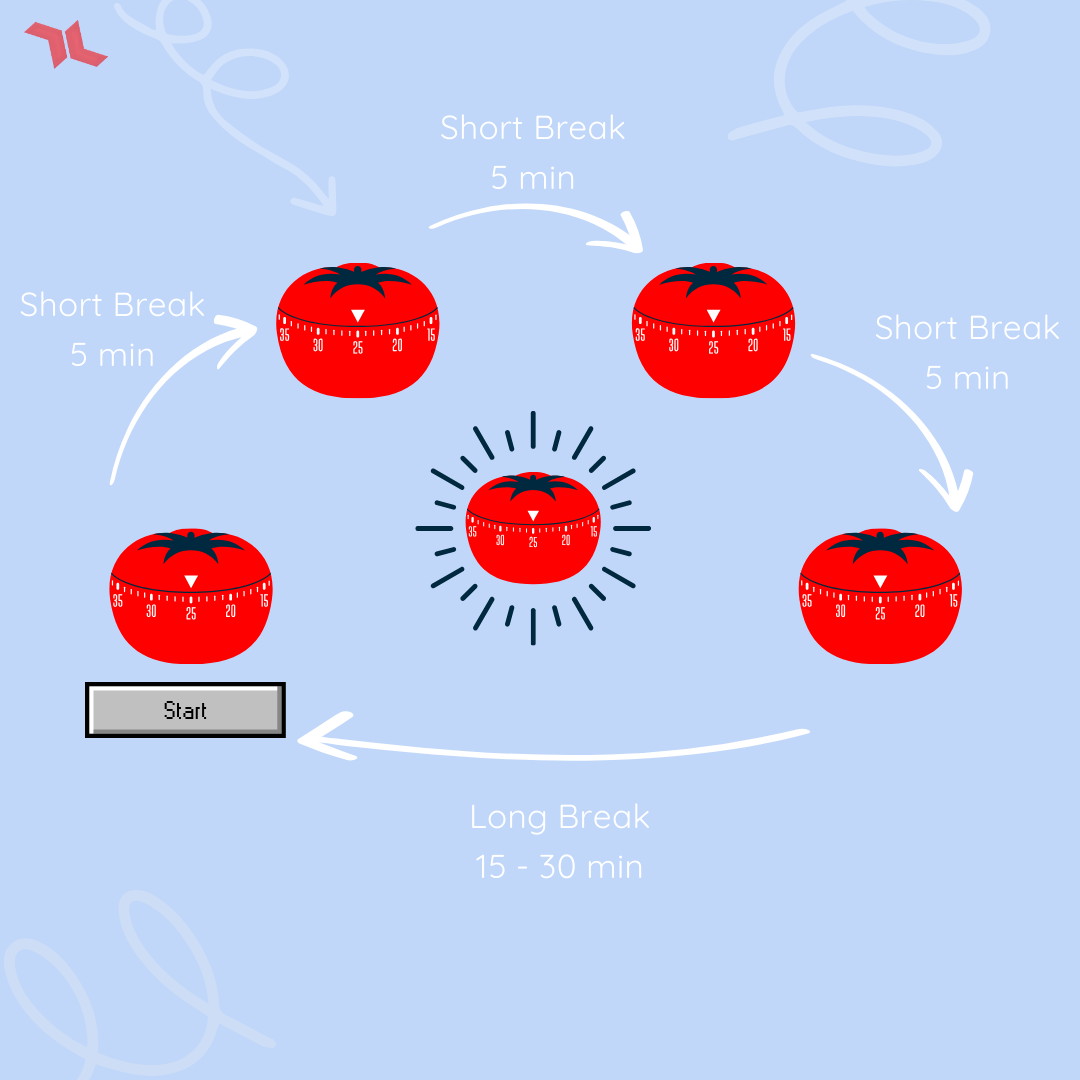
Break your work into intervals, typically 25 minutes each, known as pomodoros. Once the timer rings after 25 minutes, it's time for a well-deserved five-minute break. But here's where the magic happens: after completing four pomodoros, take a longer break of 15 to 30 minutes.
By working in short, concentrated bursts like this, you'll find that your focus and productivity are increasing.
Conclusion:
From understanding the concept of time as a precious resource to recognizing and overcoming the unique challenges we face, we've laid the groundwork for cultivating a more efficient and productive approach to our tasks.
Stay tuned as this article kicks off the first part of a series of three, where we'll continue exploring various aspects of time management in both digital and real-life contexts.
Remember, time is our most valuable resource—let's use it wisely.


